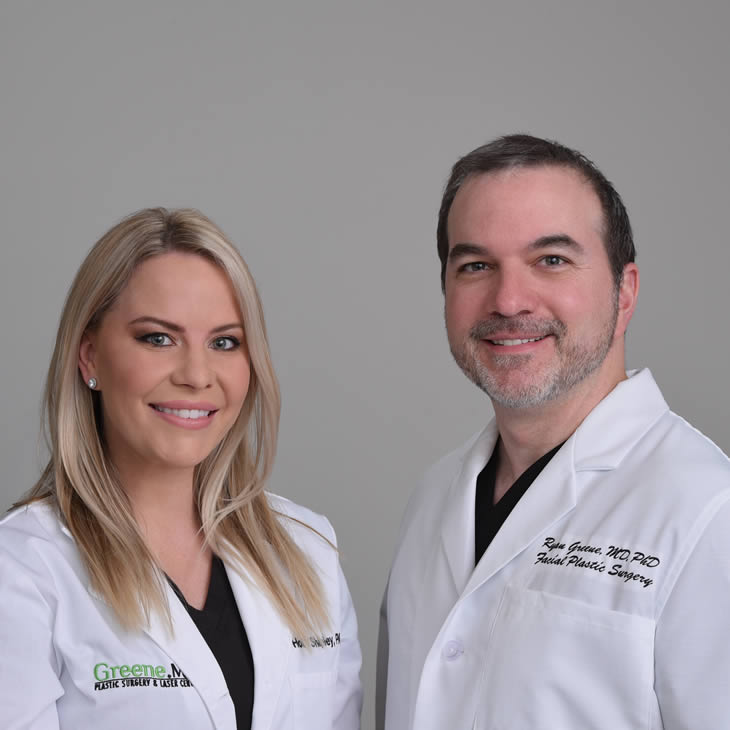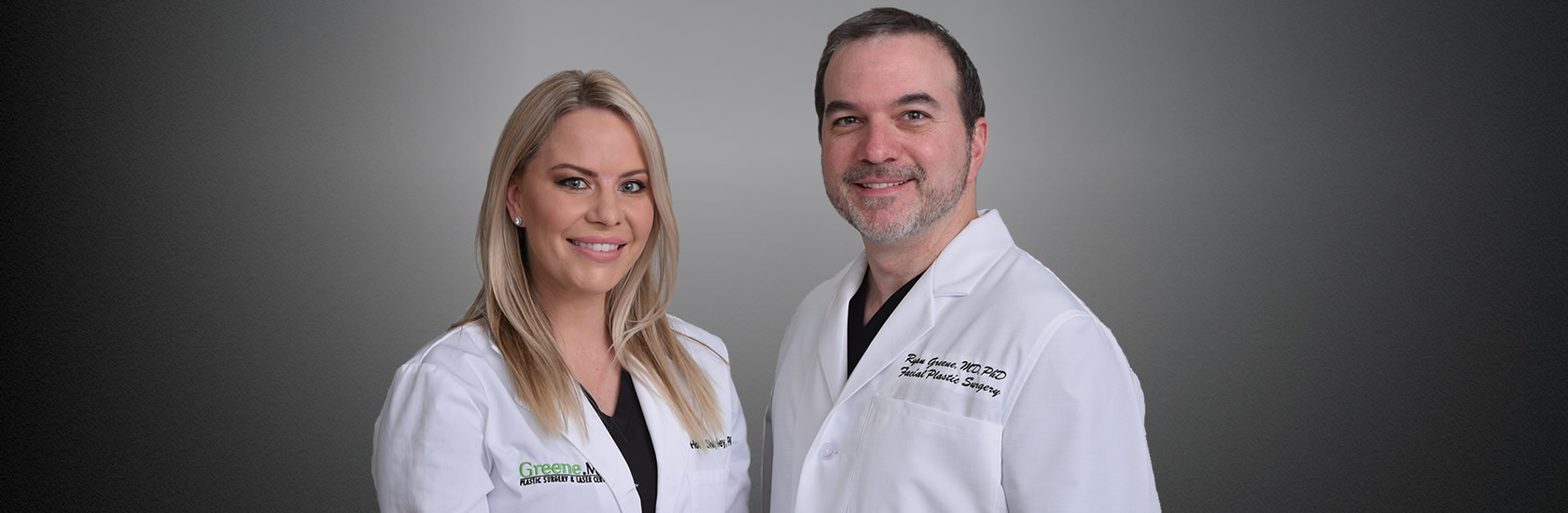
Led by Double Board Certified Facial Plastic Surgeon and Master Injector Ryan Greene, MD, PhD, FACS, and Holly Shipley, MMS, PA-C.
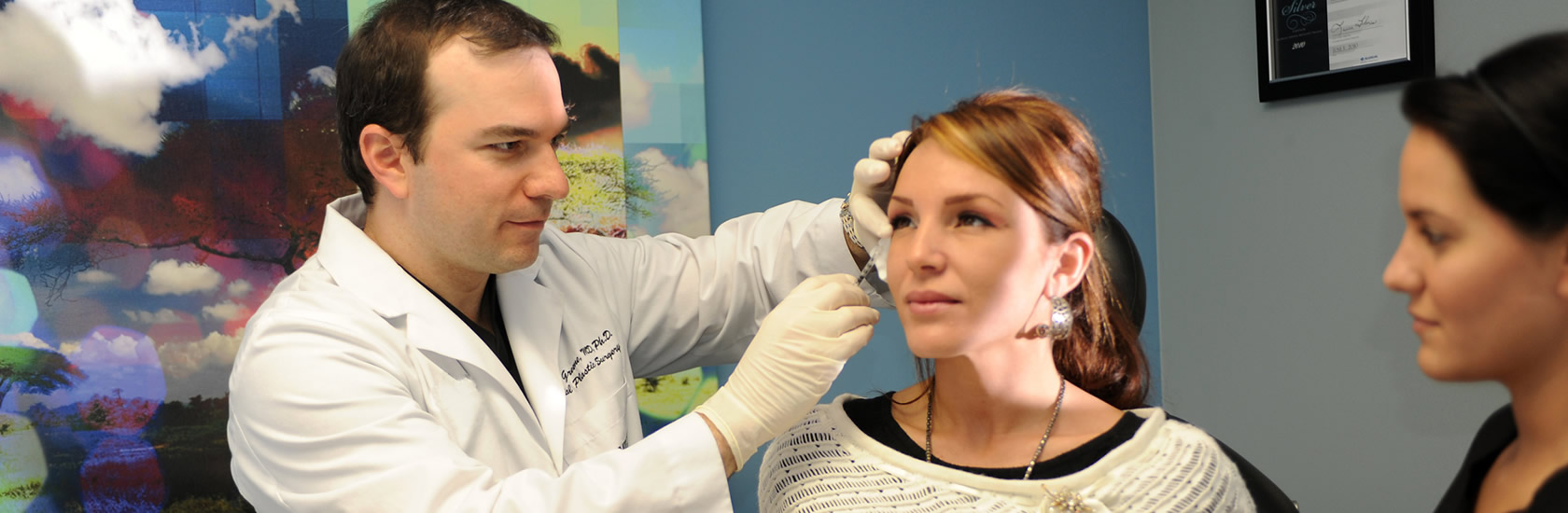
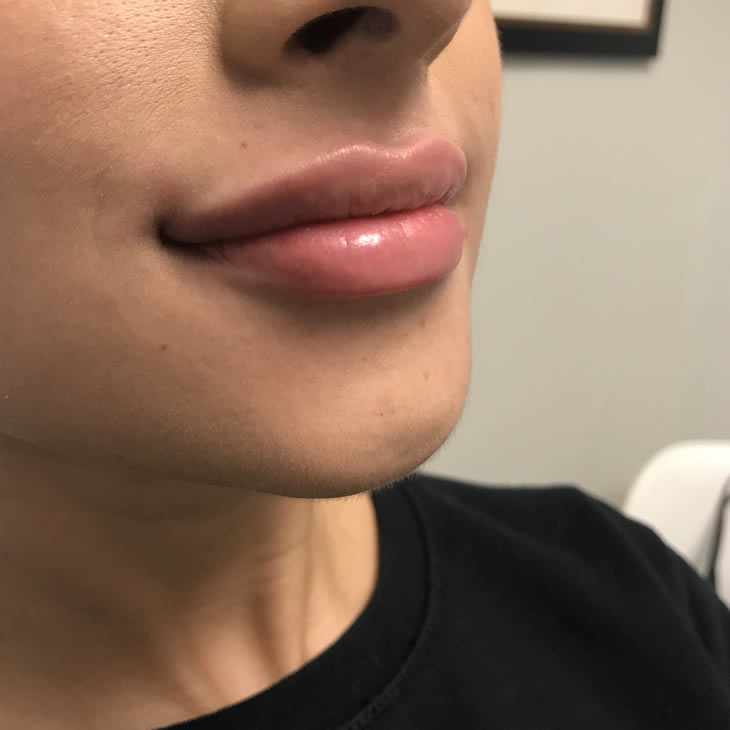
Treatments are tailored to each patient's individual needs. View our extensive Before & After gallery.
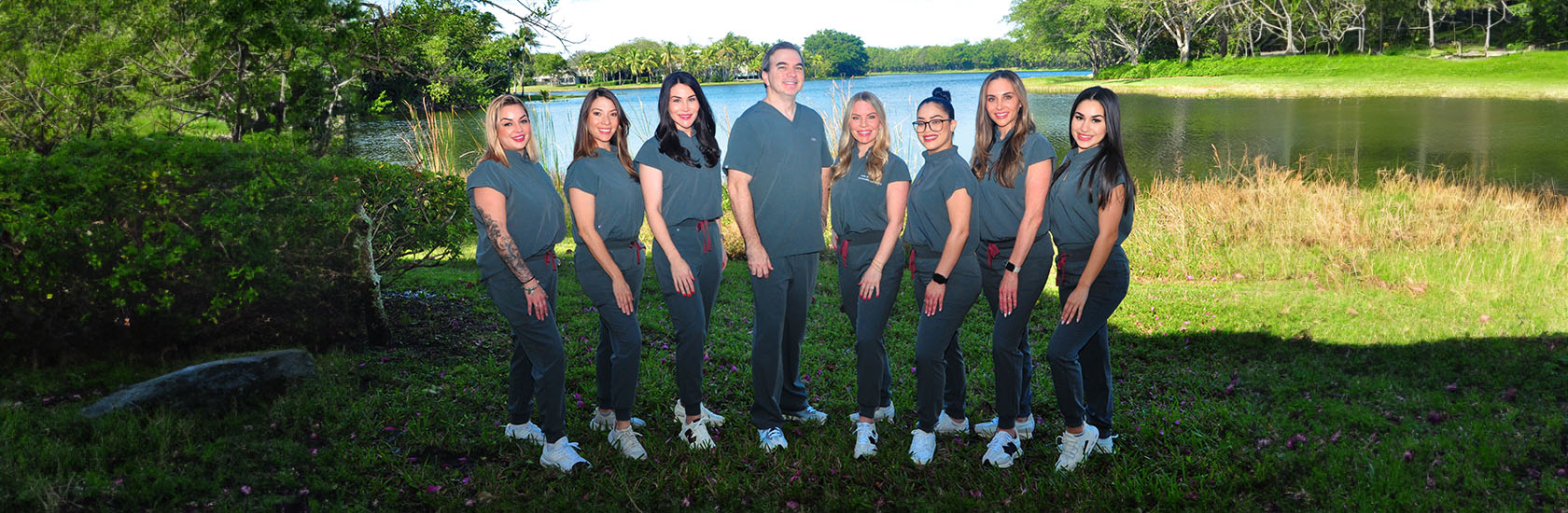
Over 70,000 injectable treatments and counting.
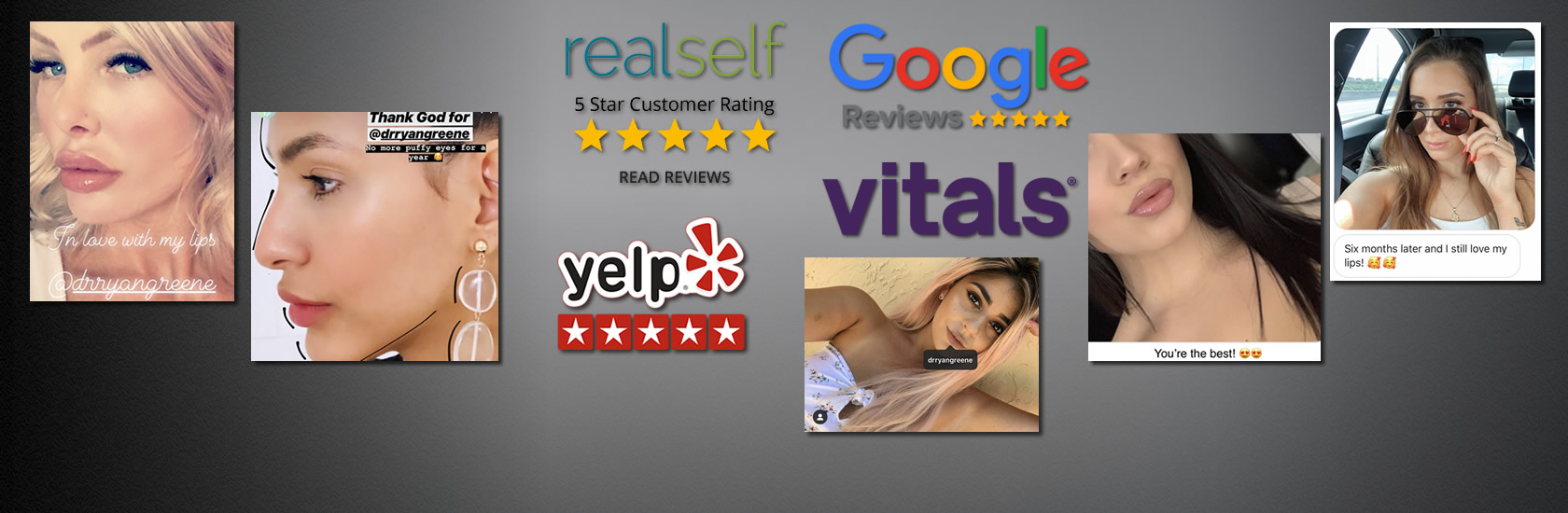
Read hundreds of reviews from our happy patients to see why we have such a loyal following.
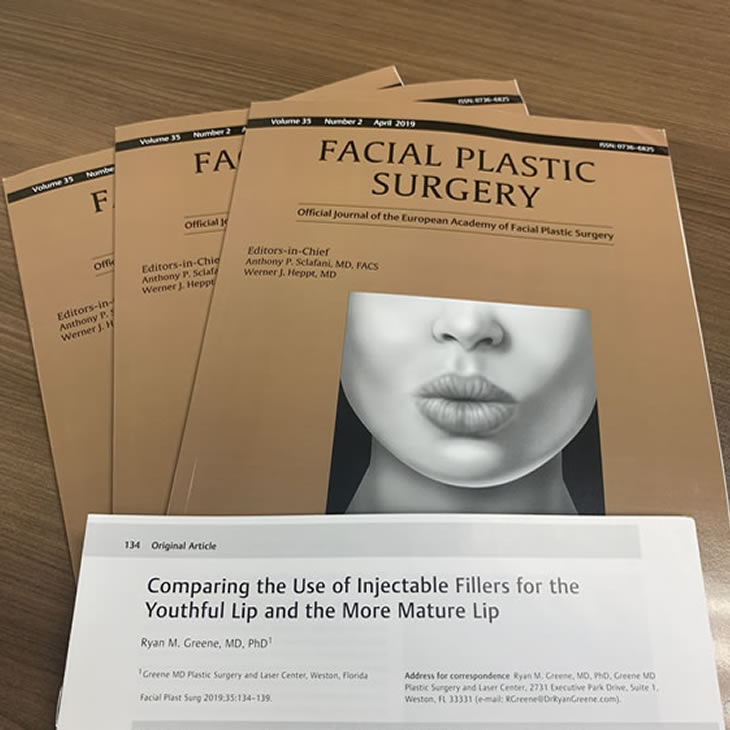
Ryan Greene, MD, PhD, FACS, a Double Board Certified Facial Plastic Surgeon, is a global injectable leader, and is one of the most sought-after injectors in the U.S. Along with his highly trained and experienced injector Holly Shipley, PA-C, Dr. Greene offers a wide breadth of non-surgical services to the South Florida community. He has performed over 25,000 injectable treatments, and is an internationally recognized author, lecturer, and injectable trainer.











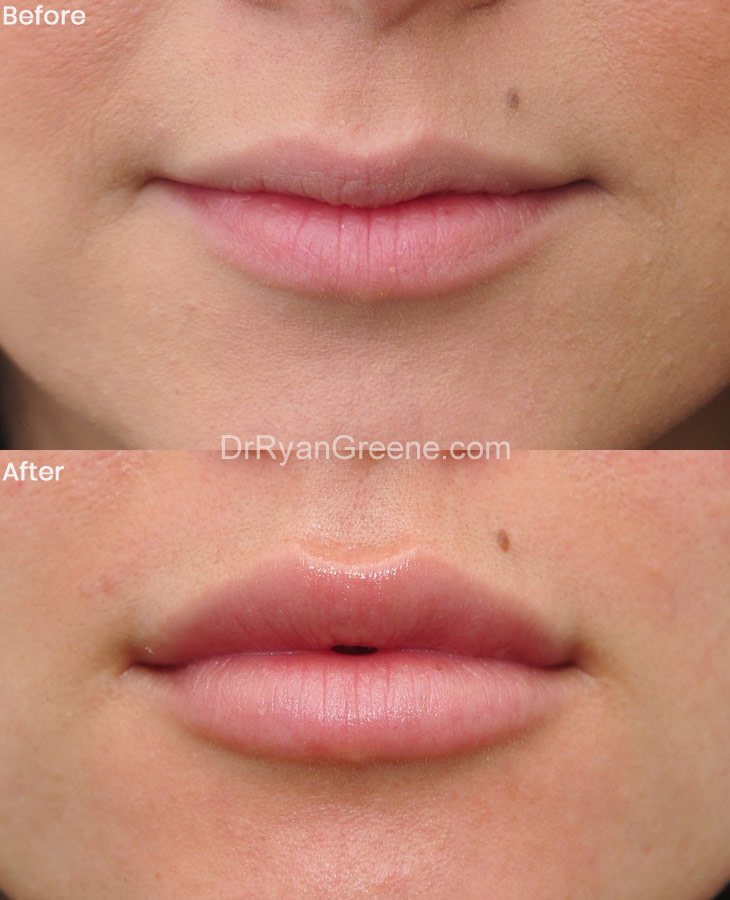
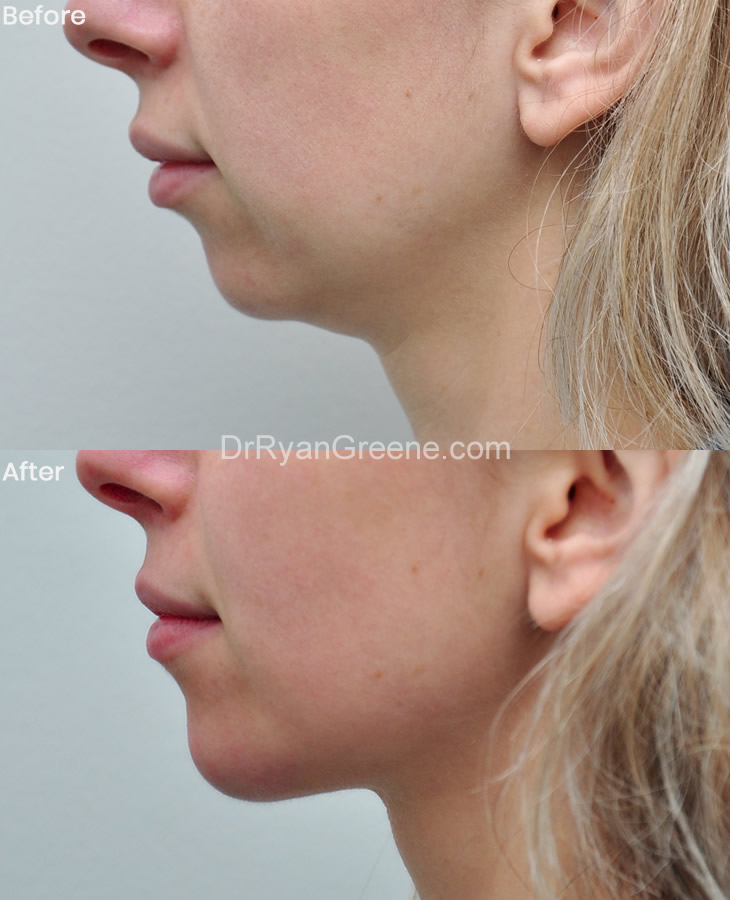
View our extensive Before & After Gallery to see actual patient results
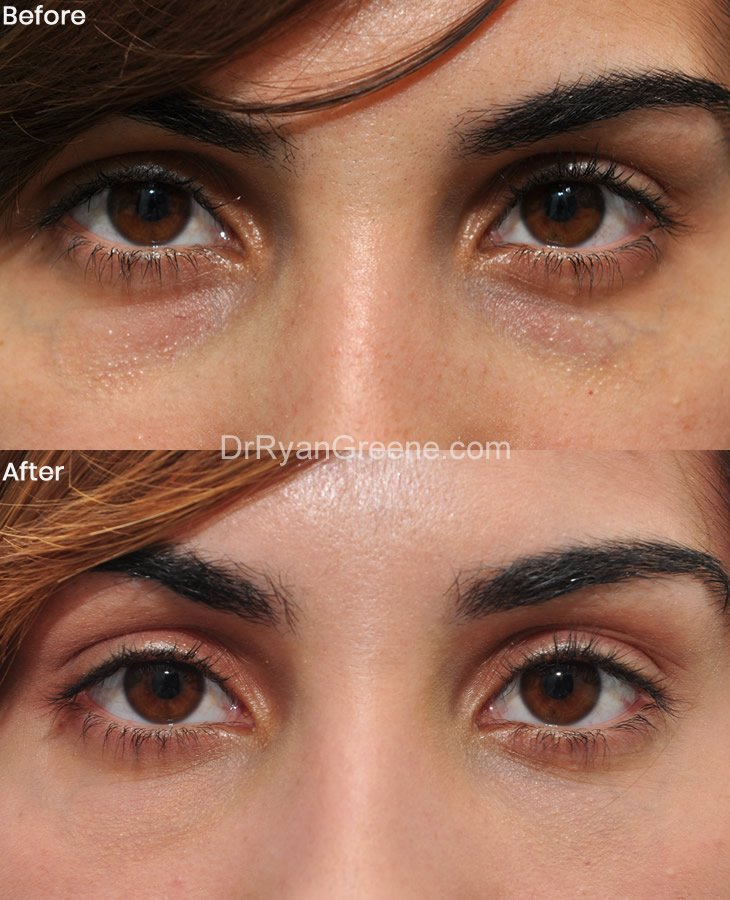
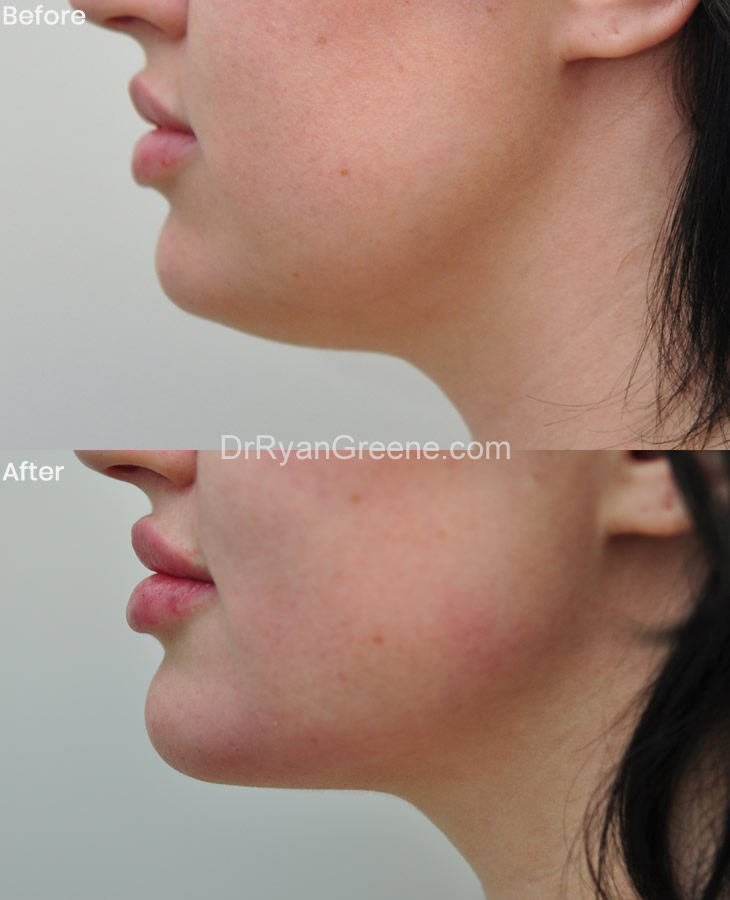
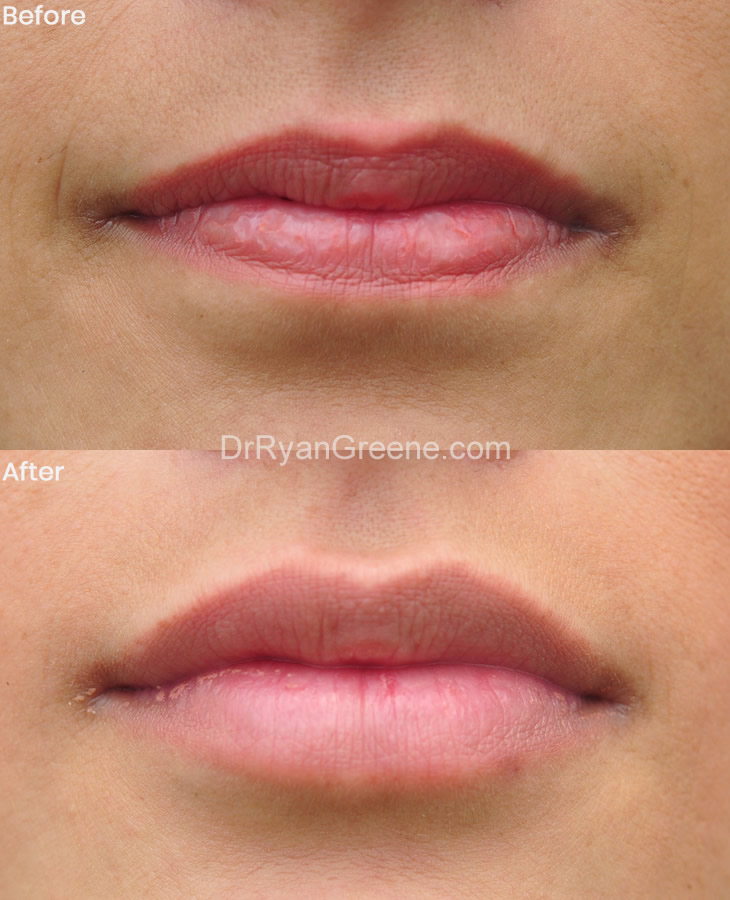
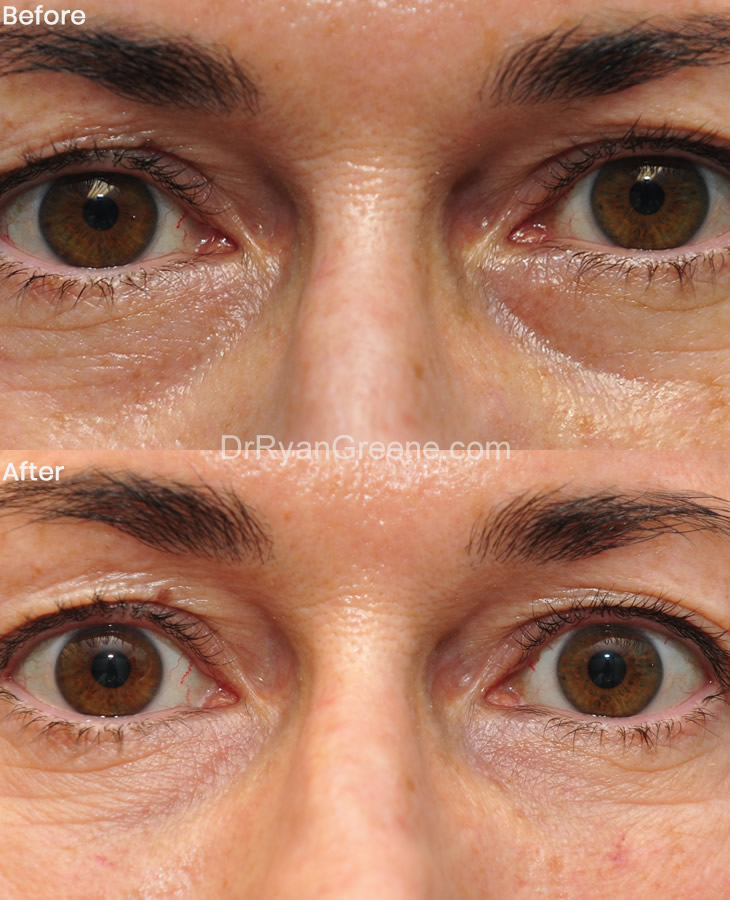
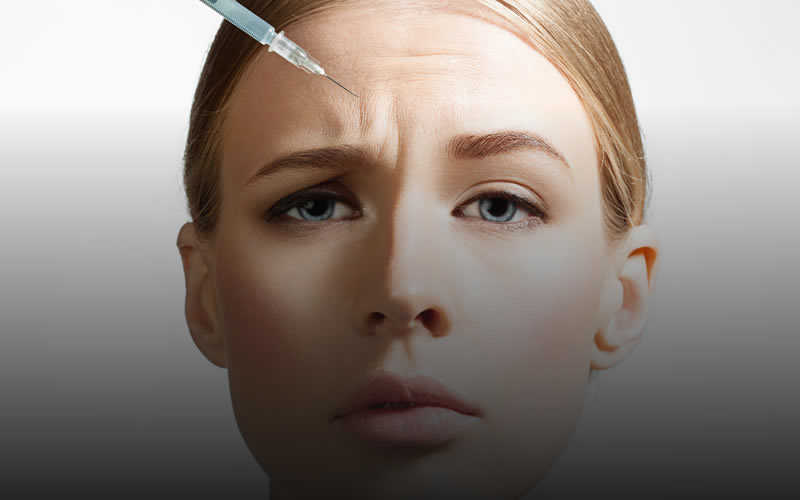
Create a soft, natural effect by relaxing the muscles that cause wrinkles in the upper face. Many people do not realize how much artistry is necessary to create natural results
BOTOX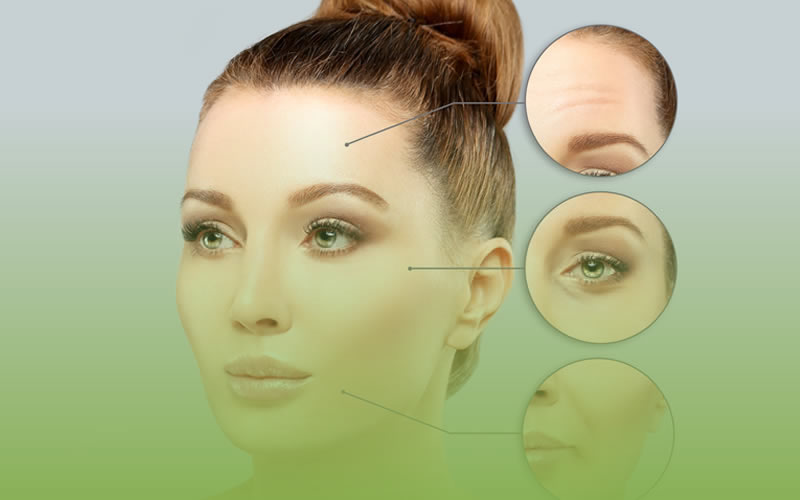
Treatments can soften unwanted wrinkles and folds to create a more youthful appearance. Filler is also strategically placed to define and highlight desirable facial features.
FACIAL FILLERS
No surgery, no downtime. Experience makes all the difference with CoolSculpting results. We were the first center in West Broward, having performed thousands of treatments since 2012.
COOLSCULPTING
This non-surgical treatment uses focused ultrasound to lift, tighten, and tone skin, with no downtime. This is a great treatment to complement facial filler treatments.
ULTHERAPY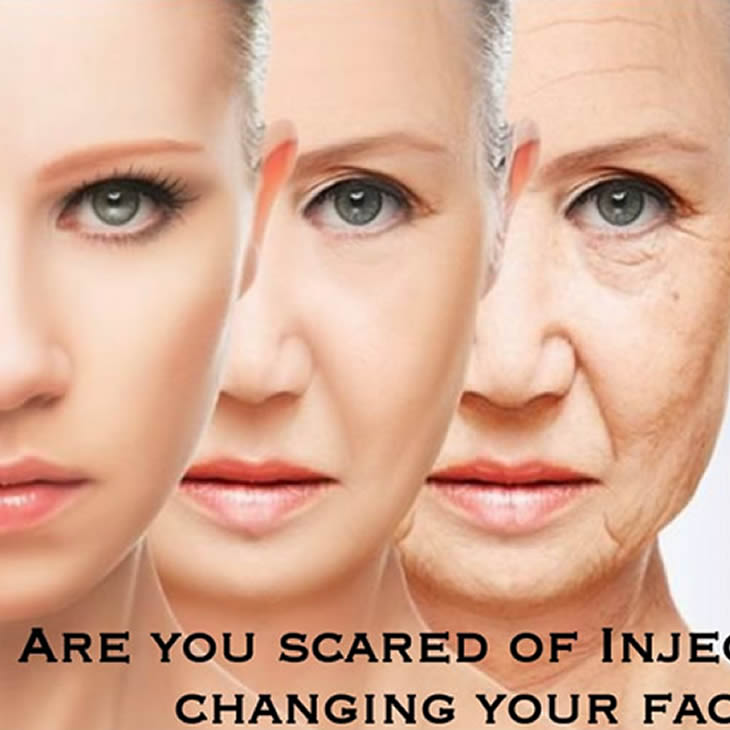
Posted August 1st, 2019
Well here is the #Reality: AGING is changing your face… whereas injectables can help maintain your face and keep a youthful appearance. Let's talk about the aging process.

Verified by Realself

Dr. Greene and his office staff are amazing! Very professional and very knowledgeable about how to cater to me to get my best personal result. I'm glad I found him to start my filler journey with. The result speak for themselves. This man is an artist and I am forever and willing canvas:) I like that he even warned me when it was going to pinch and the personalized ice packs were an awesome touch. Immediately scheduled more procedures with him. You should as well.

Posted February 11th
The mid-face is the area where most people will begin to notice volume loss. When we lose volume in the cheeks, we start to see other facial changes happening as a result of this.
Dr. Greene's schedule for appointments fills up several months in advance. Please give our office a call to schedule at 954-651-6600. If you prefer a sooner appointment, ask to be added to our waiting list. Patients can also see Dr. Greene's experienced injector and Physician Assistant Holly Shipley, MMS, PA-C, who performs these treatments as well.